
The Danger Within Our Walls: The Critical Need to Tackle Counterfeit and Substandard Construction Materials
When we think of counterfeit goods, luxury fashion, pirated software, or fake cosmetics usually come to mind. Yet, a much quieter and far more dangerous illicit market is thriving globally: counterfeit, fraudulent, and substandard construction materials.
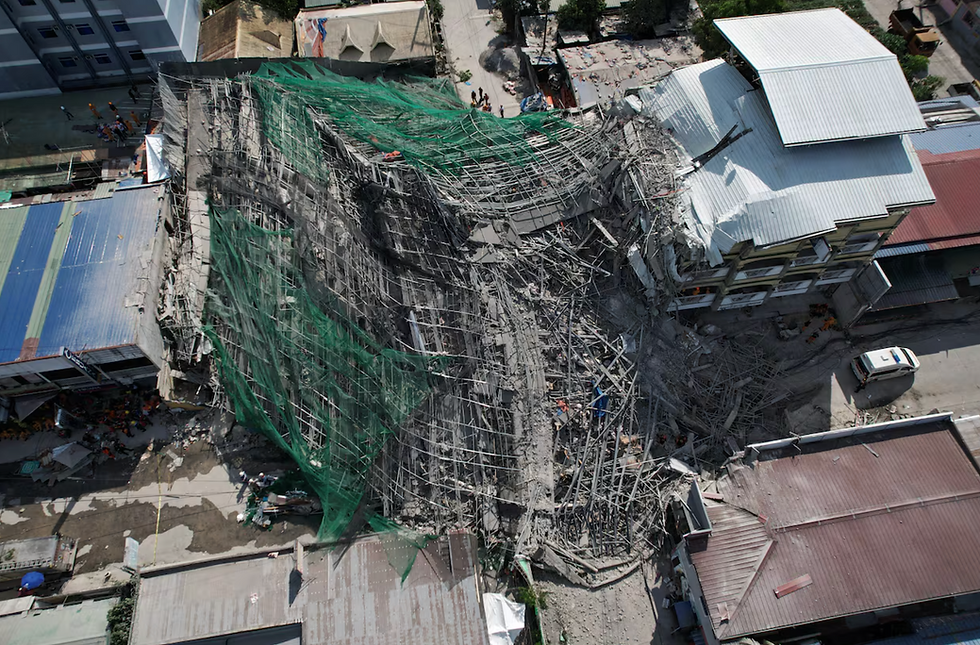
From structural steel with falsified certificates and diluted cement to unrated electrical wiring and subpar fire-retardant cladding, these fakes are filtering directly into modern supply chains. Because these materials are hidden beneath drywall, concrete pours, and paint, their flaws are rarely caught during installation. Instead, they manifest later as catastrophic structural failures, financial ruin, and loss of life.
Tackling counterfeit building materials is not just a matter of protecting corporate intellectual property; it is an absolute necessity for public safety, economic stability, and environmental responsibility.
The Scale of the Fraud
According to joint reports by the European Anti-Fraud Office (OLAF) and the European Union Intellectual Property Office (EUIPO), the trade in counterfeit construction products is a rapidly expanding global issue that costs legitimate businesses billions of dollars annually. Research funded by the Construction Industry Institute highlights that the problem spans heavy industrial, civil, and residential sectors worldwide, with complex globalized supply chains leaving ample room for criminal networks to infiltrate the market.
Counterfeiting in this industry generally manifests in three ways:
Fraudulent Branding: Passing off cheap, non-certified products as premium, certified brands.
Refurbishment: Cleaning up or altering used, worn-out components (such as valves or structural bolts) and selling them as factory-new.
Falsified Documentation: Forging material test certificates, safety compliance sheets, or laboratory ratings to bypass regulatory checks.
Why Tackling Construction Counterfeits is Important?

1. The Human Cost: Public Safety and Structural Integrity
The primary reason to eliminate fraudulent materials is simple: they cost human lives. Authentic construction materials undergo rigorous stress testing to guarantee they can withstand weight, weather, and time. Substandard counterfeits do not.
The structural risks include:
Catastrophic Collapses: Counterfeit fasteners, low-grade steel, and weak concrete mixes degrade rapidly under stress. Historically, failures in things like pressure vessels and structural bolts have led directly to fatal workplace accidents and structural collapses. For instance, investigative panels have repeatedly linked building collapses worldwide to the sudden failure of substandard materials under their own weight.
Fire Hazards: Non-compliant insulation or cladding and faulty electrical components drastically increase fire risks. Substandard wiring can overheat and spark inside walls, while unrated cladding can act as an accelerant rather than a barrier, allowing fire to engulf multi-story structures within minutes.
2. The Economic Inefficiencies and Hidden Costs
For developers, contractors, and building owners, knowingly or unknowingly using fake materials is a ticking time bomb. While counterfeit products are initially appealing because they may be sold at heavily discounted prices, they carry massive hidden operational costs:
Rework and Project Delays: If a material fails a late-stage inspection, entire sections of a build must be demolished and redone, stalling timelines and causing legal disputes.
Premature Degradation: Substandard materials lack longevity, requiring frequent maintenance, early asset degradation, and skyrocketing long-term operational costs.
Liability and Ruined Reputations: Legitimate builders face crippling lawsuits, voided warranties, and permanent brand damage when a structure fails due to a supplier’s fraudulent product.
3. Economic and Environmental Harm
The environmental toll of counterfeit construction materials is less frequently discussed but no less significant. The use of substandard products is not only financially disadvantageous in the long run, but it is also fundamentally unsustainable. Low-quality materials are more liable to damage and require more frequent replacement, creating a repetitive cycle of extraction, manufacturing, transport, and disposal that is both financially and environmentally destructive.

Many substandard materials contain hazardous components. Asbestos, still present in counterfeit or non-compliant building products in some markets, is linked to cancers of the lungs, larynx, and ovaries, as well as mesothelioma and asbestosis. Substandard polymer-containing construction materials used in residential buildings have been found to create unacceptable health risks for occupants after 10–12 years of exposure.
Unhealthy or counterfeit materials often leak toxins into groundwater, contaminate soil, and degrade indoor air quality, affecting not only construction workers but entire communities. The environmental damage from fraudulent timber and other illegally sourced materials further compounds this crisis, undermining global efforts toward sustainable construction.
Why Counterfeits Thrive: The Challenge of Complex Supply Chains
The persistence of counterfeit construction materials stems from multiple structural vulnerabilities in the global construction industry. First, the drive to minimize costs pushes contractors and subcontractors toward the cheapest available suppliers. Government procurement systems, designed to ensure fiscal responsibility, often award contracts to the lowest bidder, creating pressure to cut corners further down the supply chain.
Second, construction supply chains are notoriously opaque. Materials often pass through contractors, subcontractors, distributors, and multiple intermediaries before reaching a building site, with each layer introducing new opportunities for fraudulent substitution.
Third, enforcement agencies frequently lack the training and resources to detect counterfeits. As one U.S. Customs official candidly admitted during a research interview: “Construction items are not on our radar. We don’t know what to look for, please train us”. Weak verification frameworks that rely on documentation rather than physical testing or authentication technologies leave supply chains vulnerable to sophisticated fraud
Fighting Back: International Cooperation and Technological Solutions
The global nature of the counterfeit construction materials trade demands a coordinated international response. In December 2024, OLAF and EUIPO co-organized a two-day conference titled “Building on Lies: The Fight against Fake Construction Materials and Equipment,” bringing together customs officials, police, market surveillance authorities, and industry stakeholders to share intelligence and develop new enforcement strategies. Participants focused specifically on the growing threat of e-commerce fraud, recognising that digital marketplaces have become key distribution channels for counterfeit building products.
Law enforcement has begun treating counterfeiting as the organised criminal enterprise it is. Europol has warned that counterfeiting is “to a large extent organised crime,” with the production of counterfeit goods in the EU becoming “an increasingly profitable business” for criminal groups.
Technological solutions are also emerging. New anti-counterfeit technologies include molecular coded taggants, invisible, DNA-like signatures embedded directly into products that cannot be replicated. These taggants allow manufacturers and inspectors to authenticate materials using non-destructive optical scanners, providing a powerful new tool for supply chain integrity. Digital verification platforms, such as apps that allow masons and builders to scan unique codes on cement bags, are turning front-line workers into quality assurance partners

Moving Forward
The surge of counterfeit and substandard construction materials is not a victimless crime. It exacts a daily toll in collapsed buildings, lost lives, drained economies, and degraded environments. The construction industry, regulatory bodies, law enforcement agencies, and consumers all have a role to play in stemming this tide.
Governments must strengthen procurement oversight, invest in inspector training, and impose meaningful penalties on those who knowingly use or supply fraudulent materials. Manufacturers must adopt authentication technologies and cooperate across borders to protect their supply chains. Builders and contractors must prioritise verified quality over the lowest price, recognising that counterfeit savings are always temporary, but the consequences of failure can be permanent.
As the European Anti-Fraud Office succinctly concluded: “Effective cooperation, intelligence sharing and awareness are essential to mitigate these risks and protect both the construction sector and the consumers it serves”. The buildings and bridges we construct today will stand or fall for generations. Ensuring they stand requires immediate, sustained, and collective action against the hidden crisis of fraudulent construction materials.
Let's stay one step ahead of counterfeiters and protect the brands that matter most!
Please reach out to us today for further information regarding our services.
40 Years of Experience in Protecting Intellectual Property. At Selective Trademark Union (STU), we know how important intellectual property (IP) is to brand owners, and we are dedicated to safeguarding it. Check our website at www.stu.net for more information.
Article References:
European Anti-Fraud Office. (2024, December 13). OLAF and EUIPO Join Forces in Fight against Fake Construction Materials. European Anti-Fraud Office. https://anti-fraud.ec.europa.eu/media-corner/news/olaf-and-euipo-join-forces-fight-against-fake-construction-materials-2024-12-13_en#:~:text=Effective%20cooperation%2C%20intelligence%20sharing%20and,%2DFraud%20Office%20(OLAF).
Platform Strategy. (n.d.). Ramifications of using Sub-Standard materials in construction. Interview Platform Magazine. https://www.interviewplatform.com/articles/ramifications-of-using-sub-standard-materials-in-construction/#:~:text=For%20the%20building%20owner%20and,failure%2C%20and%20potential%20building%20collapse.
Minchin, R. E., Lucas, E. D., Walters, R. C., Pan, J., Issa, R. R. A., & Singla, G. (2016). Counterfeiting in the construction industry: Analysis of Sino-American Differences in perception. Journal of Legal Affairs and Dispute Resolution in Engineering and Construction, 8(4). https://doi.org/10.1061/(asce)la.1943-4170.0000194
Hung, E., & Hung, E. (2025, December 24). Hong Kong police make another arrest over deadly Tai Po blaze. South China Morning Post. https://www.scmp.com/news/hong-kong/law-and-crime/article/3337665/hong-kong-police-make-another-arrest-over-deadly-tai-po-blaze
Carbungco, M. J. (2026, May 9). DTI seizes P21.9-M Uncertified Steel Products in Pampanga. Philippine Information Agency. https://pia.gov.ph/news/dti-seizes-p21-9-m-uncertified-steel-products-in-pampanga/


Comments