
A Hidden Crisis: The Global Epidemic of Fake Food, Drink, and Tobacco
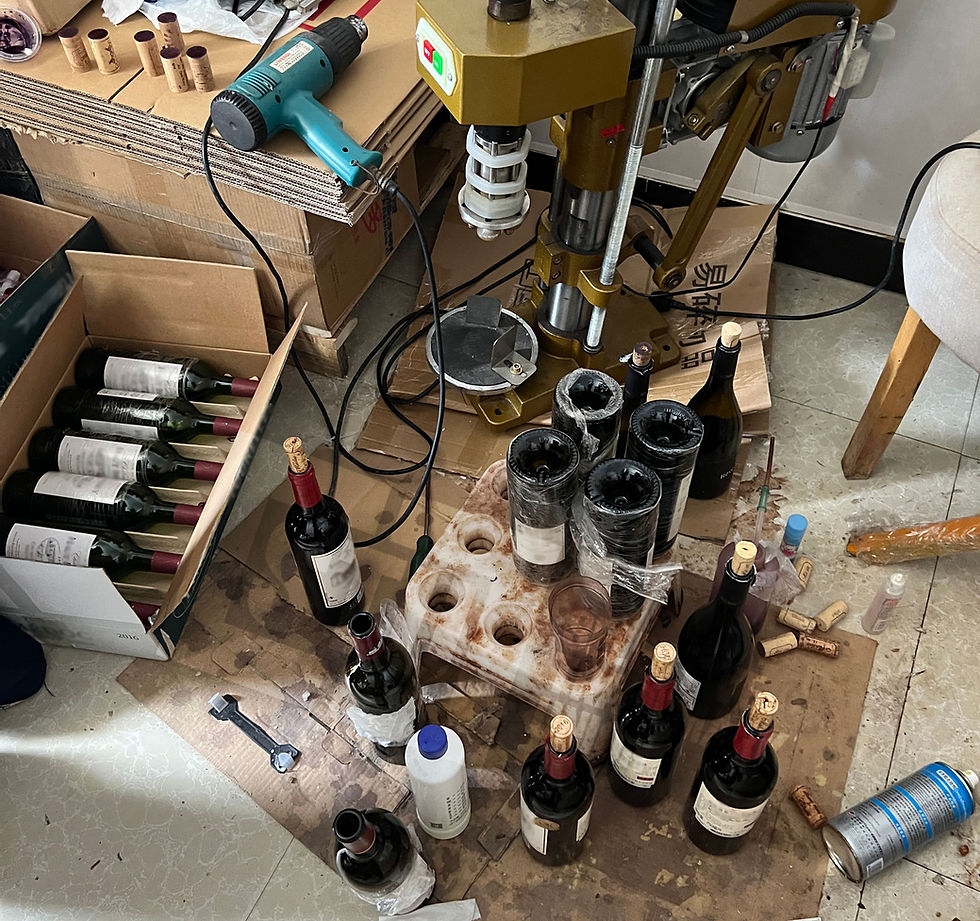
In 2024, a young British tourist in Laos accepted a free shot of vodka at a hostel bar. By the next evening, she was dead—one of six tourists killed by methanol-laced alcohol in a single incident. Her friend, who survived, later described the experience as “a living nightmare.” This tragedy, while shocking, represents just one thread in a vast and growing global crisis: the epidemic of counterfeit and fraudulent food, beverages, and tobacco products. From infant formula tampered with in Nigeria to cigarettes laced with sawdust in Europe, fake products are infiltrating supply chains worldwide, endangering public health, draining government revenues, and enriching criminal networks.
The Scale of the Problem
The global trade in counterfeit goods is staggering. According to the OECD, fake products accounted for as much as 3.3% of world trade in 2023, equivalent to nearly $340 billion annually. Within this illicit economy, food, drink, and tobacco represent some of the most heavily targeted sectors. Food fraud alone is estimated to cost the global food industry up to $50 billion per year, and that figure excludes losses from fake alcohol.
The problem is accelerating. Cases of food fraud have risen tenfold in the past four years, according to food safety software company Digicomply Insights. In the European Union, the Agri-Food Fraud Network recorded a 26% rise in fraud notifications in a single recent year. Meanwhile, the illicit tobacco trade accounts for an estimated 14–15% of global cigarette consumption, roughly 500 billion cigarettes costing governments between $40 billion and $50 billion in lost tax revenue annually.
The scope of the problem, however, is likely far larger than official figures suggest. The World Trade Organization notes that there is no single legal definition of food fraud, making quantification extremely challenging. Moreover, many incidents go unreported, particularly in regions with weaker regulatory oversight.
Most Targeted Products
Not all foods are equally vulnerable to fraud. Products that are high-value, widely consumed, and easily adulterated are the most frequent targets. According to 2024 data, beverages, processed foods, dairy, fruits and vegetables, and cereals featured in the highest number of official food fraud reports. Over ten years, seafood (15%), meat (11%), dairy (11%), and beverages (10%) dominated fraud reports globally.
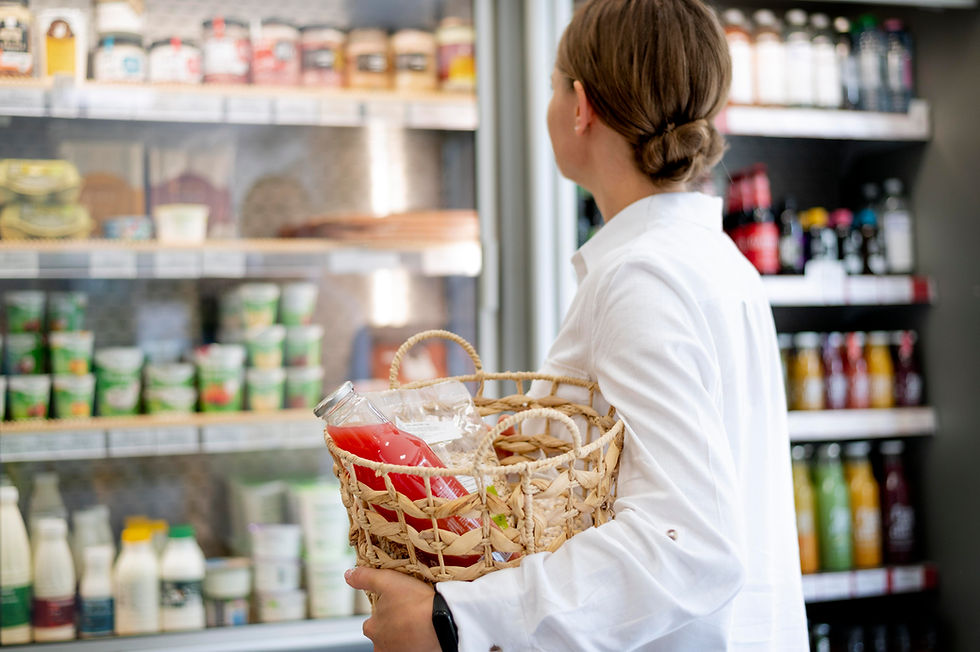
Among the most attractive products for fraudsters are olive oil, honey, tea, coffee, and alcoholic beverages—commodities where premium prices create strong incentives for substitution and dilution. A European Commission investigation found that nearly half of the honey imported into the EU could be fake, diluted with cheaper sugar syrups. In the United States, studies have found that up to 69% of store-bought extra-virgin olive oil may be mislabeled or adulterated.
Seafood fraud is particularly pervasive. The FAO has warned that fraudulent practices are “embedded across the global seafood supply chain,” affecting a sector valued at $195 billion and exposing consumers to toxins, allergens, and mislabeled species.
A Public Health Emergency
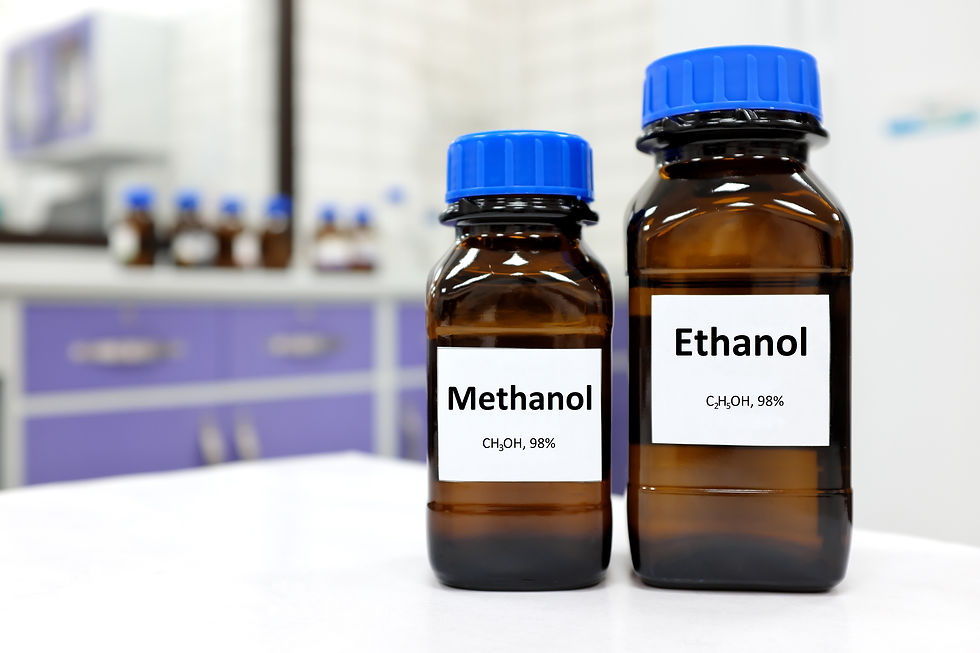
The health consequences of counterfeit food, drink, and tobacco are severe and often fatal. Methanol poisoning—caused by the substitution of cheap industrial alcohol in counterfeit spirits—represents one of the deadliest forms of this crisis. Methanol, a toxic compound found in paint and varnish, is sometimes added to illicit alcohol to increase potency at minimal cost. As little as 10 ml can cause irreversible blindness; a lethal dose is just 30 ml.
A database compiled by Oslo University Hospital and Médecins Sans Frontières has documented suspected methanol poisoning incidents from nearly 80 countries, covering more than 1,000 outbreaks, 41,000 poisonings, and 14,600 deaths. The Methanol Poisoning Initiative reported 60 incidents in 2023 alone, resulting in 309 deaths—and these figures almost certainly undercount the true toll.
High-profile tragedies have drawn global attention: a 2024 poisoning in Vang Vieng, Laos, killed six tourists; in Tamil Nadu, India, at least 57 people died after consuming illegal alcohol; and in São Paulo, Brazil, three people died, and 225 were hospitalized after drinking fake alcohol.
Counterfeit tobacco products present additional dangers. Tests have shown that fake cigarettes can contain up to 160% more tar and 133% more carbon monoxide than legitimate products, along with contaminants such as sawdust and rat droppings. Counterfeit infant formula, tampered with by altering expiry dates or repackaged in fraudulent containers, poses acute risks to vulnerable infants whose immune systems are still developing.
Beyond acute poisoning, the broader public health burden is immense. The World Health Organization estimates that nearly 1 in 10 people become ill after consuming fraudulent food, resulting in approximately 420,000 deaths annually.
The Economic and Criminal Toll
The economic damage from counterfeit food, drink, and tobacco extends far beyond direct financial losses. In India alone, illicit trade across fast-moving consumer goods (FMCG), alcohol, and tobacco sectors reached approximately ₹7.97 lakh crore ($95 billion) in 2022–23. The country loses an estimated ₹58,000 crore ($7 billion) in tax revenue annually due to illicit trade, with significant job losses across legitimate industries.

The phenomenon is inherently transnational. A 2025 investigation coordinated by Europol uncovered a criminal network smuggling counterfeit cigarettes from Armenia through Georgia into the EU. The operation led to the seizure of 12 million counterfeit cigarettes at the Port of Genoa alone, with estimated tax losses exceeding €10 million. Philip Morris International notes that “illicit whites”—counterfeit cigarettes manufactured specifically for export without regulatory compliance—account for over 40% of the global illicit cigarette trade.
Crucially, food and drink fraud is not merely a consumer protection issue—it is a major source of revenue for organized crime. INTERPOL Secretary General Jürgen Stock has emphasized that “the massive profits these products generate can then fund other organized crime activities.”
Global Enforcement Efforts
Recognizing the transnational nature of the threat, international law enforcement has mounted coordinated responses. Operation OPSON, an annual INTERPOL-Europol initiative first launched in 2011, targets counterfeit and substandard food and beverages. The operation has grown dramatically: what began with just 10 participating countries has expanded to 72 countries in OPSON X, which resulted in the seizure of 15,451 tonnes of illegal products worth €53.8 million and the disruption of 42 organized crime groups.
Regulatory bodies are also investing in new technologies. The European Commission recently unveiled TraceMap, an AI-driven platform designed to accelerate the detection of food fraud, contaminated food, and foodborne disease outbreaks across the EU. Meanwhile, the Food and Agriculture Organization (FAO) is working with the International Atomic Energy Agency to deploy nuclear technology for seafood authentication.
Despite these efforts, enforcement remains an uphill battle. Supply chains have become increasingly complex and globalized, with ingredients often passing through dozens of intermediaries across multiple countries before reaching consumers. As one expert observed, “the food supply chain no longer follows a straight line from farm to fork. It has become more like a supply network, and this makes traceability of ingredients back to their source very challenging.”
A Call for Vigilance and Systemic Change
To tackle the problem of fake food, drinks, and tobacco, we need to take action in several ways. Tracking the supply chain can help ensure products are authentic from source to sale. We also need clear international standards, such as better labeling and scientific testing, to fill regulatory gaps. Additionally, forming partnerships with companies that are actively fighting counterfeit products can strengthen our efforts and enhance the effectiveness of our initiatives.
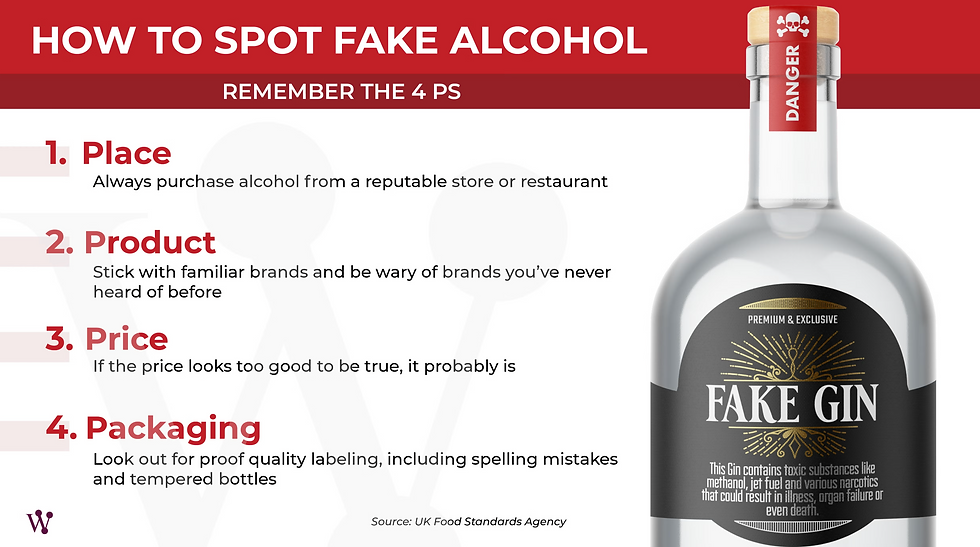
Raising public awareness is vital. Consumers should be cautious, especially when prices seem suspiciously low or when buying high-risk items like alcohol in informal places. Authorities in various countries have warned travelers about 38 locations where fake alcohol can cause methanol poisoning.
The core issue is recognizing food fraud as a serious problem, not just a matter of mislabeling. It's a public health crisis and a multi-billion-dollar crime. As Knut Erik Hovda, an expert on methanol poisoning, states: “This is a hidden crisis. It’s huge, and it’s forgotten; it keeps coming back in different places when we aren’t paying attention.”
Tragedies like the situation in Laos, the poisoned baby formula in Nigeria, and the sawdust-laced cigarettes in Europe are not one-time events. They show that our global system is under threat. To protect what we eat, drink, and use, we need a united, technology-driven approach that involves international cooperation. The cost of inaction is human lives.
Let's stay one step ahead of counterfeiters and protect the brands that matter most!
Please reach out to us today for further information regarding our services.
Article References:


Comments