
How Confident Are You that Your Art Supplies are the Real Deal?
Unmasking the Deception on Art Materials and How Brands Can Fight Back.

The world of art and creativity is built on trust in the quality, safety, and authenticity of the tools that bring ideas to life. Beneath the surface, however, lies a thriving black market: counterfeit materials that deceive consumers, dilute brand legacies, and ultimately stifle the very creativity they promise to serve. From substandard pigments to toxic binders, fake art supplies are more than an economic nuisance; they are a betrayal of the artistic spirit.
The art materials market is enormous, valued at approximately 46.5 billion in 2026 and projected to grow significantly in the coming years. This has made the industry a prime target for counterfeiters. According to a 2025 joint report by the OECD and the EUIPO, the worldwide trade in counterfeit goods is a massive problem that continues to grow and adapt to globalization.
The Personal Cost: A Danger Beyond Money
Beyond the financial loss to artists and brands, the use of counterfeit art supplies can have physical consequences and sometimes be dangerous. Authentic brands invest heavily in safety testing. Fake products have none of those safety measures in place.
Art materials have the potential to contain highly poisonous ingredients, including carcinogens such as nickel, chromium, cadmium, and lead in their formulas. According to the University of Illinois' health guidelines, materials used in arts education can create risks for the artists and students using them, with extended exposure to carcinogens like lead heightening those effects.
Exposure to these heavy metals has been linked to neurological damage, reproductive issues, lead poisoning, and cancer in severe cases.
The Artistic Cost
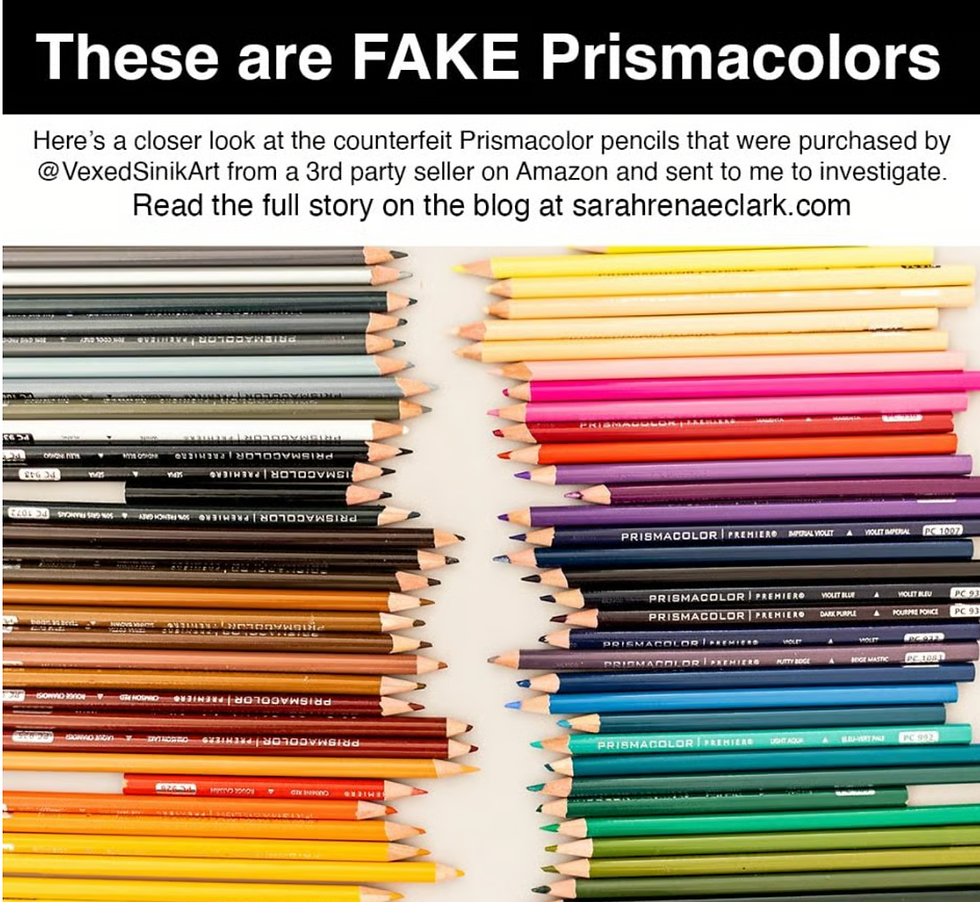
Counterfeit supplies don't just harm the body; they sabotage the art. A detailed investigation by artist Sarah Renae Clark into fake Prismacolor pencils found that the user experience is drastically different from legitimate products. While genuine Prismacolors are known for their "buttery, smooth core," the fakes felt "more like a firm crayon pencil," lacking consistency and blendability. This makes achieving professional results virtually impossible.
Much of the counterfeit trade has shifted online. As Amazon and eBay have grown, they have become hotspots for counterfeit goods. Despite investing billions in anti-counterfeit measures, the massive volume of third-party sellers on platforms like Amazon means some fake items inevitably slip through the net. Similarly, eBay prohibits counterfeit items, although its consumer-to-consumer model remains a hotspot for counterfeits.
How Brands Can Fight Back Against Counterfeiters?
In the face of a surge in counterfeit art materials, brands need effective strategies to fight back. This is where organizations like the Selective Trademark Union (STU), a specialist anti-counterfeiting firm, make a significant impact. Brands can implement three core strategies:
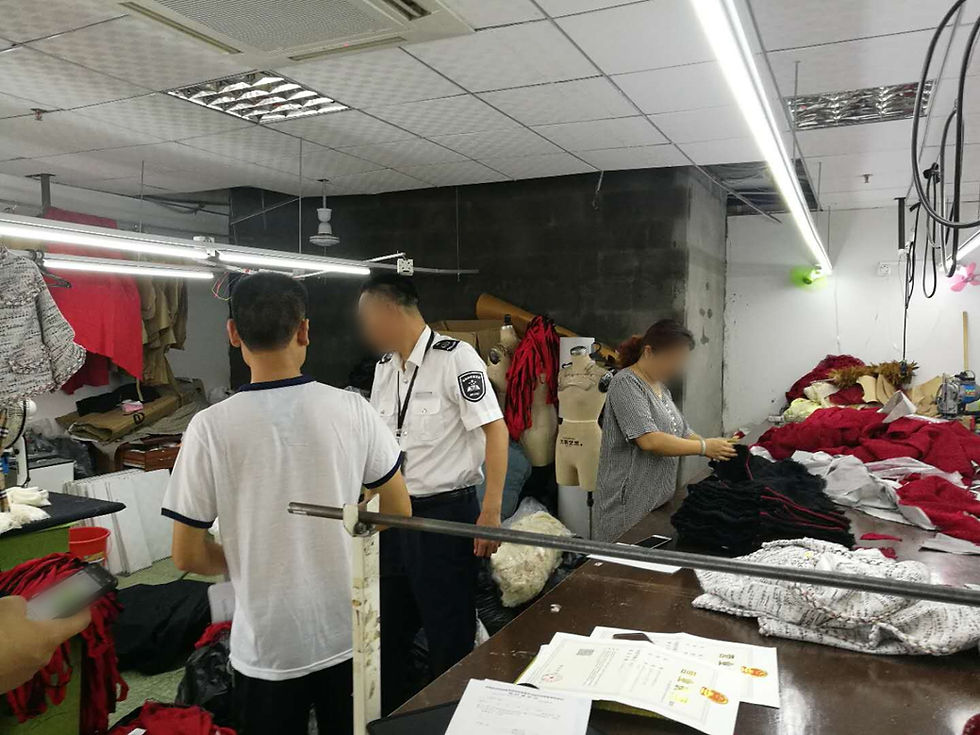
1. Enforcement at the Supply Chain Level: This is STU’s specialty. By identifying and raiding the source factories rather than just the sellers, the economic model of counterfeiting is disrupted at its root. A single warehouse raid can remove millions of dollars’ worth of fakes from the market.
2. Technology & Authentication: Holograms, QR codes, NFC chips, and blockchain‑based tracking are becoming standard. Some brands also file border seizure requests with national customs authorities, an area where STU has proven especially effective.
3. Consumer Education: Training buyers to spot anomalies: misspellings, incorrect logos, uneven packaging, or a wood barrel that feels wrong.
Why Creativity Depends on Authenticity
The battle against counterfeit art supplies is vital for maintaining artistic integrity and ensuring creator safety. As the market expands, so does the threat of counterfeit products that compromise both quality and health.
Brands need to implement strict enforcement, utilize authentication technologies, and educate consumers. Collaboration is essential to fight the fraudulent practices undermining art and craftsmanship. Trust in authentic supplies is crucial for the health of artistic communities and the future of creativity.
Counterfeiters break that trust for a quick profit. Every raid, every seizure, and every destroyed fake sends a clear message: the dark art of deception will be met with an even sharper art of justice.
Let's stay one step ahead of counterfeiters and protect the brands that matter most!
Please reach out to us today for further information regarding our services.
40 Years of Experience in Protecting Intellectual Property. At Selective Trademark Union (STU), we know how important intellectual property (IP) is to brand owners, and we are dedicated to safeguarding it. Check our website at www.stu.net for more information.
Article References:
Comments